

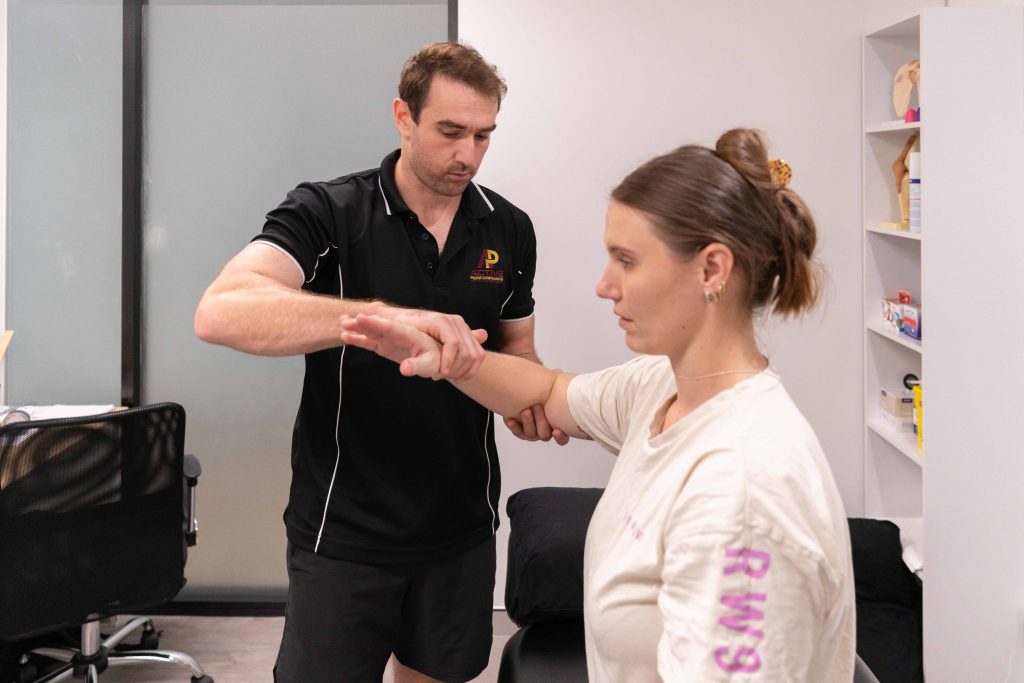
As May unfolds, we’re reflecting on a rewarding month that brought our team even closer to the communities we serve. From a fun-filled social event where two teams went head-to-head in an escape room challenge, to an incredible remote trip to Weipa, to welcoming a new team member and sharing expert insights—it’s been a month full of meaningful connections, collaboration, and growth. We’re excited to share some of the highlights with you.
Meet Laura – Our New NDIS Administrator
By Remedial Massage Therapist, Mikaela Dorney
We’re thrilled to introduce Laura, our newest NDIS Administrator. Laura has recently relocated to Cairns for the second time and is excited to join our team, bringing a strong dedication to customer service and supporting others. Originally from the coastal region of Gippsland in Victoria, Laura grew up surrounded by nature and beautiful landscapes. She enjoys staying active through hiking, spending time by the beach, and enjoying quality time with friends. Laura is excited to begin the next chapter of her life, both professionally and personally, and is eager to build strong connections with those she works with. She is committed to providing excellent service and supporting the team in delivering the best experience for clients.
The Benefits of Resistance Training for Older Adults
By Physiotherapist, Marcus Berryman
As we age, maintaining strength, mobility, and independence becomes increasingly important. One of the most effective ways to support healthy aging is through resistance training—a form of exercise that involves lifting weights, using resistance bands, or performing bodyweight exercises like squats and push-ups. Despite common misconceptions, resistance training is not just for young athletes; it offers numerous benefits for older adults and can be safely adapted to suit all fitness levels. In fact, resistance training is included in the Australian National Physical Activity Guidelines, which recommend that older adults engage in strength-based exercises at least two days per week to maintain muscle strength, bone health, and functional independence.
Improves Strength and Muscle Mass
From around the age of 30, adults naturally lose muscle mass at a rate of about 3–8% per decade, a process known as sarcopenia. This loss accelerates after 60, leading to weakness and an increased risk of falls. Resistance training helps counteract this decline by stimulating muscle growth and improving overall strength, making everyday tasks like lifting groceries or climbing stairs easier.
Enhances Bone Health
Osteoporosis and bone fractures are significant concerns for older adults, particularly for postmenopausal women. Weight-bearing exercises, such as squats or resistance band exercises, help increase bone density and reduce the risk of fractures by stimulating bone growth and strengthening connective tissues.
Reduces the Risk of Falls
Falls are one of the leading causes of injury among older adults. Resistance training improves balance,
coordination, and stability by strengthening the muscles that support the joints, particularly in the legs and core. Studies show that regular strength training can reduce the risk of falls by up to 40%.
Supports Joint Health and Reduces Pain
Contrary to the belief that lifting weights is bad for arthritis, resistance training can actually reduce joint pain and stiffness by strengthening the muscles surrounding the joints. This added support can alleviate pressure on the joints, improving mobility and reducing the risk of injury.
Boosts Mental Well-being and Independence
Engaging in strength training has been linked to improved mood, reduced symptoms of anxiety and depression, and enhanced cognitive function. Additionally, by maintaining strength and flexibility, older adult scan stay independent longer, improving their overall quality of life.
Getting Started
Resistance training doesn’t have to be complicated. Simple exercises with light weights, resistance bands, or bodyweight movements can be effective. It’s best to start with guidance from a professional, such as a physiotherapist or personal trainer, to ensure proper technique and safety. If you have any questions or concerns then the team at active performance allied health can guide you on how best you can incorporate resistance training to your weekly routine.
Matt and Ceadlyn’s Weipa Adventure
Our Physio Matt and OT Ceadlyn recently spent time in Weipa — and it was a hit!
They ran an outdoor group workout with awesome client turnout and great energy all around. A fantastic day of movement, connection, and community effort.
Coeliac Disease: A Dietitian’s Role in Gluten-Free Living
By By Maddy Bedding, Accredited Practising Dietitian, Marcus Berryman
Coeliac disease is an autoimmune condition where the immune system reacts abnormally to gluten, a protein found in wheat, rye, barley, and sometimes oats. Ingestion of gluten causes damage to the small intestine, leading to nutrient malabsorption and symptoms such as bloating, diarrhoea, fatigue, and iron deficiency. Left untreated, it can increase the risk of osteoporosis, infertility, and certain cancers. Diagnosis involves a blood test and small bowel biopsy – while the person is still consuming gluten. A strict, lifelong gluten-free diet is currently the only treatment. As dietitians, we play a crucial role in helping clients transition to a gluten-free lifestyle.
Our support includes:
Gluten-free education: Teaching clients how to read labels, avoid cross-contamination, and dine out safely.
Nutritional adequacy: Ensuring the diet includes essential nutrients often lacking after diagnosis, such as iron, calcium, fibre, and B vitamins.
Monitoring and follow-up: Tracking symptoms, addressing persistent issues, and liaising with medical teams for ongoing care.
Adjusting to a gluten-free lifestyle can be overwhelming – socially, emotionally, and practically. As trusted professionals, we can empower clients with practical tools, evidence-based advice, and reassurance that gluten-free eating can still be enjoyable and nourishing.
Encouraging clients to connect with resources such as Coeliac Australia, gluten-free apps, and support groups can also help improve adherence and confidence. With dietitian support, people with coeliac disease can live full, healthy lives – without gluten, but with plenty of flavour, variety, and confidence.
