

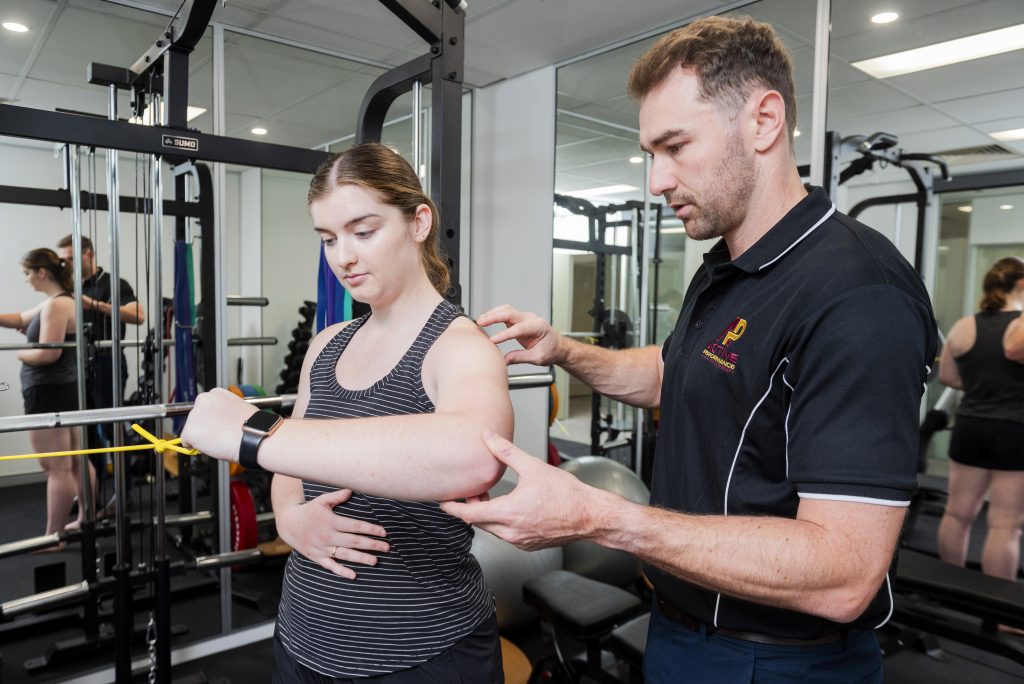
As we welcome a new season, it’s the perfect time to focus on your well-being. This month, we’re excited to share valuable insights and tips to support your health journey. Let’s embrace the season of renewal and make the most of the opportunities ahead!
Remedial Massage: A Comprehensive Approach to Pain Relief and Recovery
By Remedial Massage Therapist, Mikaela Dorney
Remedial Massage is recognised as an effective treatment for musculoskeletal conditions, standing apart from general massage by its targeted and therapeutic approach. Unlike traditional Relaxation Massages, Remedial Massage focuses on assessing, treating, managing, and preventing pain, injury, anddysfunction within the body’s muscles and joints.
The range of specialised techniques used in Remedial Massage aims to address specific issues, offering customised care for your individual needs. Some of the key techniques include:
Myofascial Release
This technique targets the fibrous connective tissue (fascia) that supports and protects muscles and bones. By releasing tension in the fascia, myofascial release promotes improved movement and reduces discomfort.
Trigger Point Therapy
Focused on the hyper-irritable “muscle knots,” this technique involves applying pressure and release cycles to reduce pain and discomfort caused by these tight spots.
Joint Mobilisation
This involves applying low-speed, passive movements to a joint to encourage intracapsular movement, improving stiffness and reducing pain.
Joint Distraction
This technique involves gently separating the joint surfaces, allowing space for synovial fluid to fill the joint and reduce friction, enhancing movement and comfort.
Assistive Stretching
Gentle, targeted stretching helps to relieve pain, improve flexibility, enhance the range of motion, and boost circulation.
Deep Tissue Massage
Using firm, flowing strokes, this technique targets problem areas in the body to break up muscle tension, relieve chronic pain, and improve overall function.
When should you consider a Remedial Massage?
Remedial Massage is ideal for anyone suffering from pain or injury in specific areas of the body, as well as for those looking to improve their overall physical well-being. It’s especially beneficial for:
Improving Joint Mobility: Reducing stiffness and improving flexibility in affected areas.
Accelerating Recovery: Reducing recovery time after physical exertion, sports events, or injury.
Decreasing Stress and Anxiety: Helping to alleviate symptoms of depression, stress, and anxiety by promoting relaxation.
Enhancing Performance: Boosting physical performance by improving range of motion, flexibility, and muscle function, as well as aiding recovery after intense activities.
Whether you’re an athlete preparing for an upcoming event, recovering from an injury, or simply looking for relief from persistent muscle pain, Remedial Massage offers a comprehensive and effective solution.
Consult with one of our Qualified Therapist’s to discover how this specialised approach can help you achieve your health and wellness goals.
Gut Health: Why It’s Crucial for Your Well-Being
By Dietitian, Maddy Bedding
Your gut is more than just a digestive system—it plays a vital role in overall health. A balanced gut microbiome supports digestion, boosts immunity, regulates mood, and even impacts skin health. A healthy gut is key to feeling your best!
Why Gut Health Matters
Digestion: A healthy gut breaks down food efficiently, helping absorb essential nutrients.
Immune System: 70-80% of your immune system is in the gut, defending against illness.
Mental Health: Gut health is linked to mood, stress, and mental clarity.
Inflammation: A balanced gut helps control harmful inflammation throughout the body.
How to Improve Your Gut Health
Eat Fibre: Focus on whole grains, fruits, and veggies to feed good bacteria.
Eat the rainbow: Aim for 30 different plant foods per week (includes spices & herbs)
Include Probiotics: Add fermented foods like yogurt, kimchi, or kefir.
Add Prebiotics: Foods like bananas, garlic, and onions nourish healthy gut bacteria.
Hydrate: Drink plenty of water to support digestion and nutrient absorption.
Manage Stress: Practice stress-reduction techniques like yoga or deep breathing.
Sleep & Exercise: Aim for 7-9 hours of sleep and regular physical activity.
Start making small changes today for a healthier gut and a happier you!
For personalised advice, book an appointment with Maddy, our dietitian, where she can help tailor a plan to improve your gut health and overall well-being.
The Benefits of Exercise for Osteoarthritis: Debunking the Myths
By Physiotherapist, Josh Kiley
Why Exercise Matters for Osteoarthritis (OA)
Many people with OA worry that exercise will worsen their pain or damage their joints. However, staying active is key to managing OA, improving joint function, and maintaining overall health.
The Impact of Inactivity
Pain often leads to reduced movement, causing muscle weakness and joint stiffness, which can increase discomfort, which can result in increased pain, perpetuating a circle of pain and dysfunction. Regular exercise helps break this cycle by strengthening muscles, improving joint stability, and reducing stiffness.
Safe and Beneficial Activities
Contrary to common fears, exercise can relieve OA symptoms. Activities such as walking, swimming, cycling, and strength training help build muscle support around joints, improve flexibility, and reduce inflammation. Even running can be safe for some individuals.
How Exercise Supports Joint Health
Exercise enhances the absorption of synovial fluid, nourishing cartilage and promoting joint health. This process supports cartilage function, reducing pain and improving mobility.
Mental Health Benefits
Physical activity also reduces stress, anxiety, and depression, common in those with OA. Exercise empowers individuals to manage their health and enhance their well-being.
The Role of Physiotherapists
Physiotherapists play a critical role in managing OA! Physiotherapists design personalised exercise programs to educate, strengthen joints and reduce pain. They offer guidance, modify activities to prevent discomfort, and support long-term adherence to exercise routines.
Nutrition and Osteoarthritis
Dietitians complement physiotherapy with OA management, by creating tailored nutrition plans that support joint health and reduce inflammation. A balanced diet helps manage weight, reducing stress on joints and easing symptoms.
Take Control of Your OA
A tailored exercise routine and nutrition are essential for managing OA. With the right guidance, you can improve mobility, reduce pain, and enjoy a better quality of life.
